By Mike Moen – Producer /Minnesota News Connection
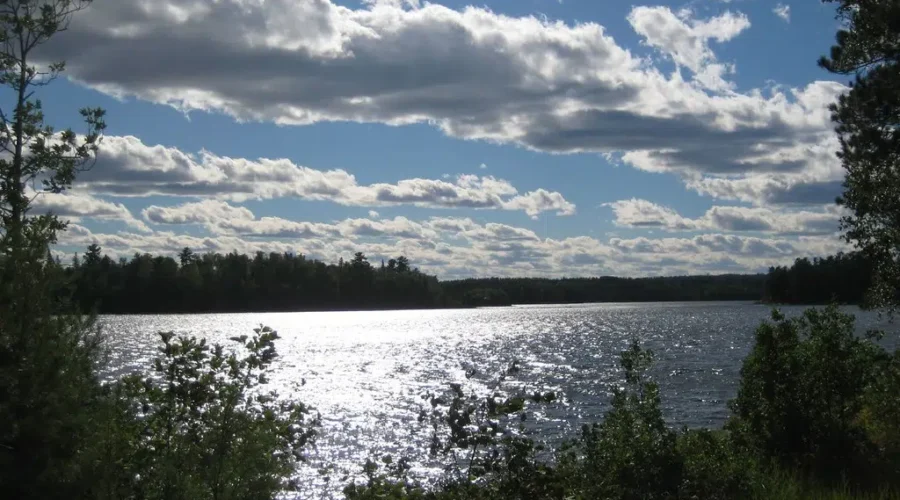
Often described as a pristine wilderness, Minnesota’s Boundary Waters is now steeped in a renewed effort to fend off mining interests.
A bill making its way through Congress would reverse recent protections.
A few years ago, the Biden administration implemented a 20-year ban on mining near the Boundary Waters Canoe Area Wilderness, but last week Republicans in the U.S. House advanced a measure that would essentially nullify that ban.
If the Senate goes along, it is expected that President Donald Trump would sign it, and environmental groups say that would likely jump-start a proposed copper-nickel mine for this region.
Ingrid Lyons, executive director of Save the Boundary Waters, says the project would be upstream, exposing waterways to “acid mine drainage” from this type of industrial activity.
“No mine of this type has actually ever been done without some form of pollution to the surrounding ground and surface water,” says Lyons.
Critics have also argued that the effects could be felt in northwestern Ontario because of drainage into the Rainy Lake basin.
A body of research from special interest groups, citing federal Environmental Protection Agency findings, suggests that between 92% and 100% of hardrock mining results in pollution.
U.S. Rep. Pete Stauber, R-Minn., who represents the area, has argued that the move paves the way for the responsible mining of critical minerals America needs to compete.
Supporters also have touted job creation, but opponents say jobs in outdoor recreation would be threatened.
Northeastern Minnesota has a rich tradition of mining, namely iron ore and taconite.
Lyons says copper-nickel activity is an entirely different animal this region and its local economy is not suited for.
“The mine itself will likely only be open for about 20 to 30 years,” says Lyons.
“So we’re talking about short-term economic and employment gains, whereas the outdoor recreation economy in the region supports 17,000 jobs.”
The Environmental Protection Agency estimates that abandoned hardrock mines have contributed to the contamination of 40% of the nation’s rivers and 50% of all lakes.
While a host of environmental groups oppose the Minnesota project, a number of local unions back it.