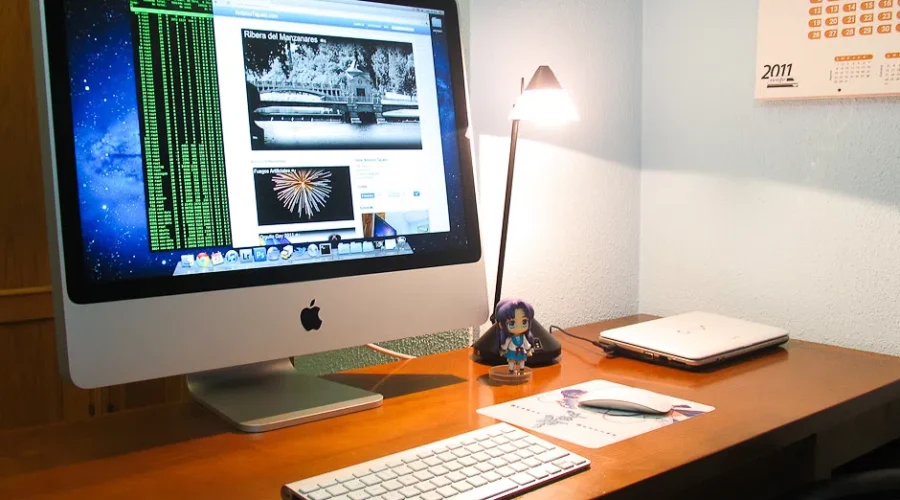
The pandemic shows no signs of ending soon. And with working from home and distance learning still a reality for many households, health experts say constant use of electronic devices creates some concerns – including the effects of blue light.
Scott Edmonds, the Chief Eye Care Officer at United Healthcare, says blue light is a low-wavelength, high-energy light that can boost a person’s alertness. But long-term, too much exposure can potentially damage cells in the retina and disrupt sleep patterns.
He says it’s just about everywhere in a home connected to technology.
“The big exposure that we see today, especially with the pandemic, is coming of out your phone, coming out of your computer, and coming out of the newer televisions that emit a lot of that blue light,” says Edmonds.
Experts say the best way to reduce blue-light impact is to keep screens at least 30 inches away from your eyes. Another recommendation is the “20-20-20” rule – after 20 minutes of computer work, a person should take 20 seconds to look at something that’s 20 feet away.
The use of blue-light-filtering technology also is encouraged.
People studying the dangers of too much screen time say there are other side effects to worry about, including mental health and not enough physical activity.
Associate Professor of Communications at the University of Minnesota-Duluth, Aaron Boyson, says while it’s hard to get a handle on something so ubiquitous, limiting access is a way families can work together to combat technology overload.
“If that means that at the dinner table, you don’t have phones, don’t have phones,” says Boyson. “If that means not having screens in a kid’s room, take them out.”
He says even though constant use of technology has been normalized these days, parents shouldn’t feel constrained from trying to limit access and cut down on use.
He adds a body of research indicates even before the pandemic, adults and kids were logging too much screen time.
(From the files of Mike Moen/Minnesota News Service)