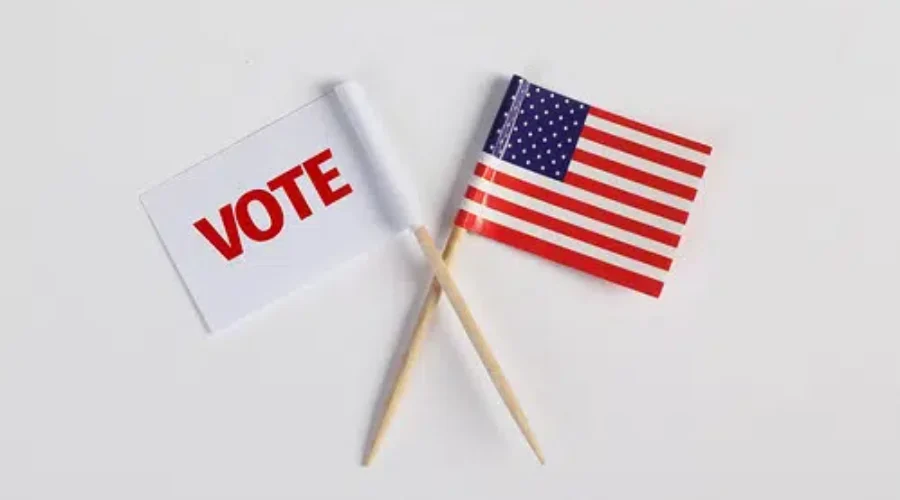
It’s election day in the United States.
There’s also been record voting and election officials it could take days before winners are declared for some seats.
As voters head to the polls in Minnesota, concerns linger about the possibility of intimidation.
State leaders and advocacy groups say people shouldn’t fear polling locations, but they should know the facts behind what’s not allowed.
Leading up to the election, reports surfaced about retired Minneapolis police officers being hired at the behest of the Trump campaign to monitor polling sites.
The state attorney general thwarted a similar effort by a private security firm.
Debra Cleaver, Founder and CEO of the group VoteAmerica, says the concern is real, but that shouldn’t be a deterrent.
“If you are not a poll worker and you’re not actively voting, you are not allowed to be in the polling place,” says Cleaver.
Minnesota law states people can’t gather or linger in a polling place or within 100 feet of the building.
This week, the Justice Department said it would send staff to various jurisdictions, including Minneapolis, to monitor compliance.
The agency said it is routine work, tied to the Voting Rights Act.
Steve Simon, Minnesota Secretary of State, counters that state law makes it clear that these monitors cannot enter those buildings without an invitation.
He adds his staff is working closely with law enforcement to ensure those trying to establish an unwelcome presence will not do so.
Efforts to establish unofficial guards at polling places are born out of claims of voter fraud, despite numerous studies showing that it’s not widespread in the U.S.
As for who is and who isn’t allowed in voting centers, there are a few exceptions, including people conducting exit polls.